

Building an author brand on Kindle Direct Publishing (KDP) isn’t just about writing books and hoping readers show up. It’s about creating a unique identity that readers recognize, trust, and come back to again and again. Imagine your favorite author—you probably know their style, the type of stories they write, and even their “voice.” That’s branding in action.
Let’s walk step by step through how you can create your own strong author brand on KDP.
Why having an author brand matters
When readers scroll through Amazon, they see thousands of books. Without a clear brand, your book can disappear in the noise. A brand makes you stand out. It tells people: “This is the type of book I write, this is my promise, and this is why you’ll love it.” Readers want consistency. If someone buys one of your books and loves it, they’ll look for more. But if your brand is weak or confusing, they might never find you again.
Know your target audience
The very first step is understanding who you’re writing for. A fantasy reader doesn’t want the same tone or cover design as someone who loves business books. So, ask yourself:
-
Who are my readers?
-
What do they enjoy?
-
What problems, dreams, or emotions do my books tap into?
Here’s a small breakdown to make it clearer:
| Genre/Category | Reader Expectations | Branding Style Example |
|---|---|---|
| Romance | Emotional, light, maybe playful | Bright colors, script fonts, happy couples |
| Thriller/Crime | Suspense, fast-paced | Dark colors, bold fonts, mysterious covers |
| Self-Help | Practical, motivating | Clean design, calming tones, simple fonts |
| Children’s Books | Fun, colorful, friendly | Cartoonish fonts, bright colors, cute illustrations |
When you know your readers, you can shape your entire author brand around what they expect and love.
Define your unique selling point (USP)
Now, think about this: what makes your books different? Maybe you blend romance with humor in a way that feels fresh. Or maybe you write non-fiction that’s easy to understand when others make it complicated. Your USP is the promise you make to readers. It’s the one thing that sets you apart.
A quick tip: Try to explain your USP in one short sentence, almost like a tagline. Example: “I write cozy mysteries with quirky characters and a small-town vibe.” That’s memorable and instantly tells readers what to expect.
Consistency across your books
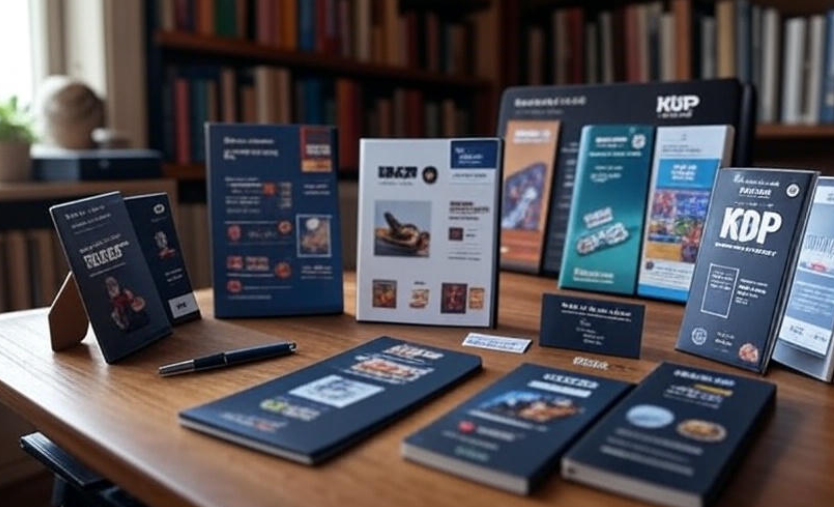
Branding isn’t only about words—it’s about visuals too. When someone looks at your books side by side, they should immediately feel they belong to the same author. This means:
-
Similar font styles on your covers.
-
A certain color palette or tone that repeats.
-
Your author name always in the same position on the cover.
Think about big-name authors like Stephen King or Colleen Hoover. Even if you cover the titles, their covers still feel consistent. You can do the same on a smaller scale.
Create an author bio that feels personal
Readers like to know there’s a real person behind the words. Your author bio should do more than list your achievements—it should connect emotionally. A good bio has:
-
A short intro (where you’re from or what you do).
-
A little personal touch (hobbies, interests, fun fact).
-
A reason why you write what you write.
For example, instead of writing: “John Smith is an author of science fiction books.”
Try: “John Smith grew up imagining alien worlds and now brings them to life through fast-paced science fiction stories. When he’s not writing, he’s probably watching space documentaries or building model rockets.”
It feels real, right?
Use social media wisely
Social media can boost your brand if you use it right. But here’s the key: don’t try to be everywhere at once. Pick 1–2 platforms where your readers are active. Romance readers? They’re huge on TikTok and Instagram. Business readers? LinkedIn works better.
And remember, you don’t need to post every hour. Share small, real updates like:
-
Behind-the-scenes of your writing process.
-
Quotes from your book.
-
A casual post about what inspires you.
The goal isn’t to spam, but to stay in readers’ minds in a friendly way.

Email lists are gold for branding
Imagine being able to talk directly to your readers anytime, without depending on Amazon or social media. That’s what an email list gives you. You can send updates when you release new books, share free samples, or even ask readers for feedback.
Pro tip: Offer a free short story, bonus chapter, or checklist related to your niche as a “thank you” for subscribing.
Make your Amazon Author Central page shine
This is often the first place new readers check. Your Author Central page should have:
-
A professional author photo (friendly, clear, not too formal).
-
A personal yet polished bio.
-
Links to your social media or website.
-
All your books displayed together.
Think of it as your official storefront on Amazon.
Your writing style is part of your brand
Beyond visuals and marketing, your actual writing voice shapes your brand. If you’re funny and casual in your books, keep that tone in your emails and posts. If your books are deep and serious, your branding should match that. Consistency in voice builds trust.
Invest in professional design where possible
Readers do judge a book by its cover. A clean, professional cover signals quality and trust. If budget is tight, at least learn some basic design rules or use premade covers. Same goes for formatting—make sure your eBook and paperback look neat.
Networking with other authors
Branding doesn’t happen in isolation. Collaborating with other authors in your genre—through anthologies, joint promotions, or simply sharing each other’s work—can help readers associate your name with trusted authors.
Patience is part of branding
This is the part no one likes to hear. Author branding doesn’t happen overnight. It takes consistency, time, and small steps that build up. Think of it like planting seeds. At first, it feels slow, but over time your presence grows stronger and readers recognize your name.
Quick checklist for creating an author brand on KDP
| Step | What to Do |
|---|---|
| 1 | Identify your target audience |
| 2 | Define your unique selling point (USP) |
| 3 | Keep visual consistency across covers |
| 4 | Write a personal author bio |
| 5 | Pick 1–2 social platforms and post regularly |
| 6 | Build an email list for direct connection |
| 7 | Polish your Author Central page |
| 8 | Stay consistent in your writing voice |
| 9 | Invest in professional design |
| 10 | Network with other authors and be patient |
Some natural tips that often get overlooked
-
Don’t copy other authors. Inspiration is fine, but readers can spot when something feels fake.
-
Share little personal stories now and then—it makes readers feel closer to you.
-
Avoid being too “salesy” all the time. Give more than you ask.
-
Remember: your brand isn’t just for selling one book—it’s about creating a long-term connection.
FAQs about creating an author brand on KDP
Q1: Do I need a website to build an author brand?
Not always. A website helps, but if you have a good Author Central page and social media presence, that can be enough to start.
Q2: What if I write in multiple genres?
You can create separate pen names for each genre to keep branding consistent. Readers don’t like confusion.
Q3: How long does it take to build an author brand?
It varies, but usually months to years. The key is being consistent and not giving up.
Q4: Can I change my brand later?
Yes, but it’s better to start with a clear direction. Rebranding can confuse readers, but it’s still possible if done carefully.
Q5: Is branding more important than writing quality?
No, the book itself always comes first. Branding just helps people notice and remember you. Without quality writing, branding won’t save you.
Final words
Creating an author brand on KDP is not about being flashy—it’s about being real, consistent, and memorable. Readers want to know what they’re getting when they pick up your book, and they want to feel connected to you as the writer behind it.
So take small steps today. Define your audience, polish your covers, write a personal bio, and start building trust. Over time, your brand will grow naturally, and your books will stand out in Amazon’s crowded marketplace. 🚀