



The KDP marketplace is a boon for indie authors and publishers. In its inundating competitiveness, millions of books vie for a reader’s attention, so don’t waste your success on the wrong category. Based on sales, market trends and author-earnings reports, we’ve identified five categories that consistently achieve the highest sales figures and revenue.
Whether you’re an experienced publisher or new to KDP, this in-depth guide will reveal which categories provide the easiest and most profitable paths for success. We will analyze each category in-depth, explain why they are so lucrative, and give you tactics you can use to take advantage of these hot markets.
Romance Fiction: The KDP King
Clearly, romance fiction ebooks have been dominating the sales charts for some time.
Romance dominates again as the highest earning genre on Amazon KDP. This genre accounts for more than 40% of all fiction sales and does not appear to be losing steam. The reason the romance category does so well is because they have one of the most dedicated groups of readers who also happen to read a lot.
Why Romance Dominates KDP Sales
Romance readers are serious consumers, often reading multiple books each week. This creates a never-ending demand for new content, and thus a lower barrier for an author who is seeking their readers. The genre is characterized by significant repeat sales, too — readers can be known to turn around and buy entire series after they take a shine to an author’s writing.
Within the category are countless sub-niches with their own die-hard fanbases:
Contemporary Romance books often involve characters with whom readers can identify, as they seek to find the love that makes everyday life easier. The popular tropes are workplace romance, second chances and small town romance.
Paranormal Romance blends the lines of a love story with some of those otherworldly elements. It encompasses both vampire and werewolf tales, along with fantasy romances. The readers who follow paranormal romance are very loyal and will be happy to pay premium prices for good stories.
Historical Romance takes us to other time periods to escape for good love stories. Regency romance, Victorian England and medieval stories always do well in that sub-genre.
Romance Category Success Metrics
| Sub-Genre | Average Monthly Sales | Price Range | Reader Engagement |
|---|---|---|---|
| Contemporary | 15,000-25,000 | $2.99-$4.99 | Very High |
| Paranormal | 12,000-20,000 | $3.99-$5.99 | Extremely High |
| Historical | 10,000-18,000 | $3.99-$4.99 | High |
| Erotic Romance | 8,000-15,000 | $2.99-$3.99 | Superior |
Keys to Success in Romance
Success in the romance category is all about consistency and communicating to readers. Successful romance authors put out on average 4-6 books each year and stay regularly in their readers’ minds. Series do particularly well, as readers get connected to the characters and setting.
When it comes to selling romance, covers matter. Where a cheap cover with poor design might fail to convey the sub-genre and heat level, professionally designed covers that clearly send that signal make readers make those split-second purchases. Romance readers are notorious for purchasing based solely on the cover, so it is essential to make sure your cover has a premium level of appeal.
Self-Help and Personal Development: The Cash Cow
The self-help genre is one of the most evergreen and lucrative niches on KDP. As increasing numbers of people look to enhance their careers, relationships, or lifestyle, this market continues to sell across all seasons of the year with no significant seasonal fluctuation.
The Power of Problem-Solving Content
Self-help books work because they solve real problems. Readers in this category are eager purchasers that look for materials to enhance their lives. This results in a market where good content can earn good value and accumulate decent passive income.
Business and Entrepreneurship books have always been best sellers. Subjects such as entrepreneurship, marketing tactics, passive income generation, leadership growth draw ambitious readers who are actively seeking ways to invest (monetarily & time) in their success.
Health and Fitness content is always a hit. Weight loss guides, fitness programs, mental health resources and nutrition plans in particular do great during new year resolution season or as summer approaches.
Productivity and Time Management are popular topics for professionals as well as students. Material on organizational systems, reaching goals, forming good habits and work-life balance all continue to sell consistently among everyone.
Self-Help Market Analysis
Self-help, as a category, enjoys repeat business; readers buy more than one book in the same area. Successful authors in this niche often use it to build out an email list and other revenue streams including courses, coaching and speaking gigs.
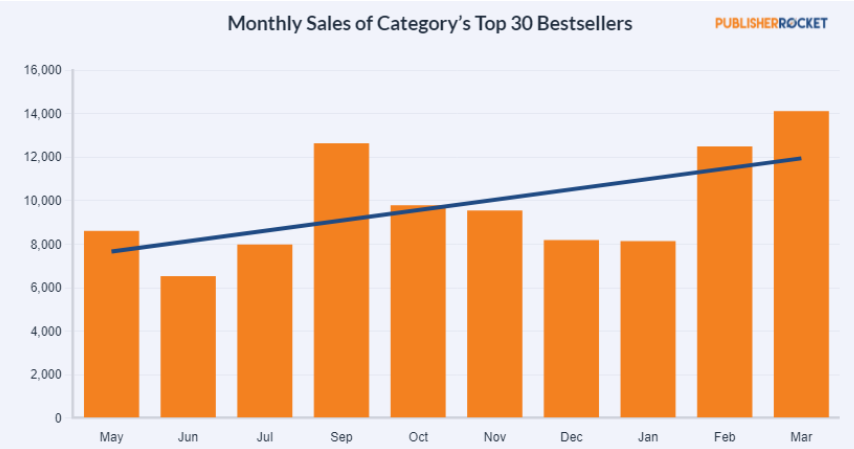
Seasonal changes have a notable effect on sales of self-help books. January is when health and productivity titles surge, and back-to-school time brings a boost to study guides and books on career development. Writers with good timing can capitalize on these predictable swings.
Price tolerance in self-help is much higher compared to fiction categories. Readers typically pay $4.99-$9.99 for books that offer life-changing advice or insights. This higher price elasticity leads to higher royalties for each sale.
Children’s Books: Little Hands, Big Profits
The KDP children’s category has unique benefits which few publishers are taking advantage of. These books require less word count but they can be produced quickly and often can provide great profit-to-time ratio for what you put into them.
The Children’s Book Advantage
Most children’s books are between 500 and 2000 words long, making them not just easier to write, but also significantly less time consuming to complete. Even though they are shorter with prices adjusted accordingly, they can still be very profitable for those that have quality art and good stories.
Picture Books for ages 3-8 are the largest portion of the children’s market. These are books that mix basic text with colorful illustrations to teach, tell a story or present an idea. The most successful picture books often develop into series, generating multiple revenue streams from single concepts.
Early Readers are stepping stones from picture books to chapter books for children aged 6-9 who are growing in confidence as readers. These books are written with easy words and uncomplicated sentences, to make it accessible for any beginning reader. The early reader market is huge since parents and teachers are always looking for appropriate materials.
Middle Grade books for 8-12-year-olds enable longer stories and more detailed plots, but with kid-friendly content. This sector does well with adventure stories, friendship stories and coming-of-age tales.
Children’s Book Market Dynamics
| Age Group | Word Count | Price Range | Level of Competition |
|---|---|---|---|
| 0-3 | 100-500 | $2.99-$4.99 | Moderate |
| 3-8 | 500-1000 | $3.99-$6.99 | High |
| 6-12 | 1000-20000 | $2.99-$4.99 | Moderate |
Success Strategies for Children’s Books
The most successful children’s book publishers concentrate on developing series and characters. Creating characters readers want to see in different books is instrumental for loyalty and long-term revenue generation.
The importance of professional illustration cannot be overstated when it comes to children’s books, particularly picture books. While requiring an initial investment, good artwork can make or break your book and affect sales overall. Many publishers hire an illustrator or take the time to learn how to create digital art themselves.
Educational content performs well in the children’s category. Books that teach colors, numbers, letters or life skills interest parents and educators. Books covering STEM subjects and social-emotional learning are especially hot sub-niches.
For those looking to expand their reading horizons and discover quality children’s literature, Reading Awakening offers valuable insights and recommendations for both parents and educators seeking engaging content for young readers.
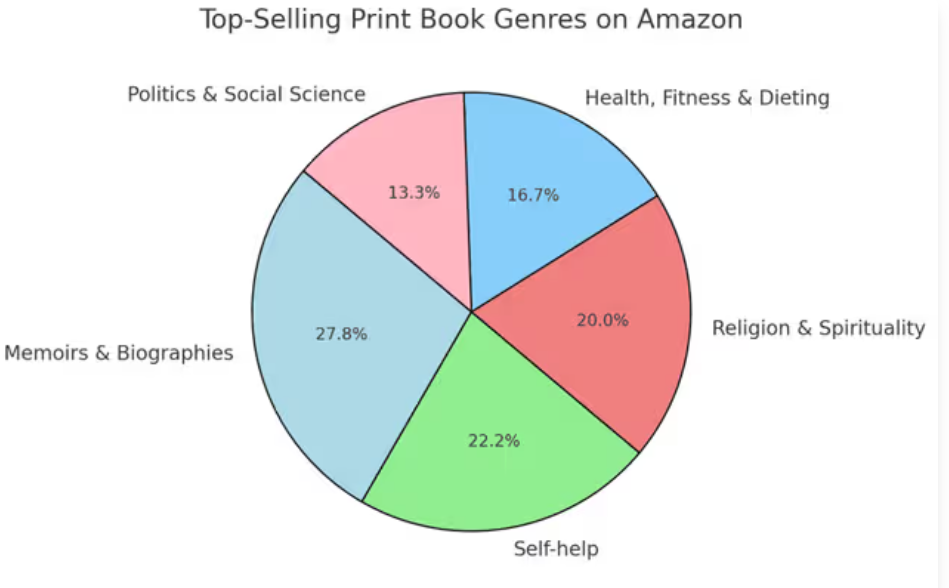
Cookbooks and Food: Feeding the Appetite for Culinary Content
The cookbook category remains a strong performer on KDP, fueled by people’s never-ending appetite for both food and cooking. It’s visual, has great appeal and practical uses that readers appreciate.
The Recipe for Cookbook Success
Most of the best-selling cookbooks on KDP succeed because they are niche rather than general in terms of cooking. Niche cookbooks do well because they appeal to targeted sets of readers with distinct dietary needs or cooking interests.
Diet-Specific Cookbooks dominate sales charts. Keto, paleo, vegan, gluten-free and Mediterranean diet cookbooks are perennial favorites. These titles are ideal for readers with restrictive diets who have longed for recipe books that cater to their needs.
Quick & Easy Food is a favorite among busy families and professionals on the go. Cookbooks featuring 30-minute meals, one-pot recipes, slow cooker dishes and meal prep guides all address common concerns in contemporary cooking.
International Cuisine cookbooks cater to readers’ desire to experience various cultures through their food. Authentic regional recipes and fusion cooking ideas are a continually growing source of interest to adventurous home cooks.
Cookbook Market Characteristics
The cookbook business is highly seasonal, with sales concentrated around holiday seasons and the start of the year when many people focus on healthy eating resolutions. Cookbooks on grilling and using fresh ingredients also show a sales bump through the summer months.
Recipe testing and photography are critical to a successful cookbook. Readers want recipes that are reliable and look appetizing. Many successful cookbook publishers invest in professional food photography or master the art of food styling to create appealing visuals.
Digital cookbooks have features that print ones do not — such as search capabilities, clickable ingredients and the ability to scale recipes. These advantages make the products more user-friendly and can justify higher prices.
Low-Content Books: Simple Concept, High Profits
Low-content books are one of the easiest entry points for new KDP authors. These books require minimal writing yet you can generate serious passive income if done correctly.
The Low-Content Landscape
Low-content books include journals, planners, coloring books, puzzle books, and notebooks. Though they contain few words, the best low-content books address a specific need or solve a unique problem for their audience.
Planners and Journals are always at the top of the low-content bestseller lists. Daily planners, habit trackers, gratitude journals and specialized planning tools for students, teachers or entrepreneurs do very well. Success lies in creating a layout that actually helps people get more organized.
Adult Coloring Books were a phenomenon and continue to sell strongly. Mandala designs, complex patterns and themed coloring books for relaxation have gained popularity among adults as stress-relieving activities.
Puzzle Books such as sudoku, crosswords, word games and more provide hours of entertainment for those who enjoy mental challenges. These books are often the least expensive to produce, with good profit margins.
Low-Content Success Factors
| Book Type | Production Time | Profit Margin | Market Saturation |
|---|---|---|---|
| Planners | 2-5 hours | 60-80% | Moderate |
| Journals | 1-3 hours | 70-85% | High |
| Coloring Books | 10-20 hours | 50-70% | Very High |
| Puzzle Books | 5-15 hours | 65-80% | Moderate |
Building a Low-Content Empire
Most successful low-content publishers build series of books and variations on popular themes. When a certain planner or journal design becomes popular, creating variations of the same concept for different audiences or markets can help multiply sales.
Keyword research is essential in low-content publishing because of high competition. Understanding the exact words customers use to search for planners or journals helps in effective optimization of book listings.
Low-content publishing offers numerous seasonal opportunities. Back-to-school planners, New Year journals, holiday coloring books, summer activity books can all leverage predictable purchasing patterns.
Market Analysis: Sales and Trends
Recent research points to several key trends among these top-performing categories. Romance fiction remains the fastest-growing genre, with sales of romance titles rising 15% last year. Self-help books have maintained steady performance with seasonal bumps attributed to New Year resolutions and back-to-school periods.
Children’s books demonstrate extraordinary resilience, with educational content growing especially robustly as parents invest more in their children’s learning materials. With the shift to homeschooling and supplementary education, there are additional opportunities in this niche.
Cookbook sales closely correlate with health and diet trends. Diet-specific books consistently perform better than general cooking guides—showing that readers want their specific needs addressed.
Low-content books face more crowded competition, but remain strong opportunities for publishers who can identify underserved niches or deliver superior designs. The key is finding specific problems that existing books don’t address adequately.
According to Amazon’s KDP community guidelines, maintaining quality standards and following publishing guidelines is crucial for long-term success in any category.
Universal Success Strategies Across All Categories
Regardless of which category you choose, certain techniques for KDP success remain constant. Professional presentation matters — your covers, formatting, and descriptions significantly impact sales performance.
Building an author presence through social media, email list building, and reader engagement can extend well beyond individual book sales to create long-term success. Authors with strong audience engagement tend to have higher sales numbers and more predictable revenue.
Consistent publishing keeps authors visible in their genre. Regular releases maintain momentum and reader interest — especially important in crowded categories such as romance or self-help.
Price optimization requires continuous monitoring and adjustment. Testing how each book sells at various price points helps determine the best strategy for both your book and category.
Competition Analysis and Market Entry
Different categories have varying levels of competition and barriers to entry. Romance has intense competition, but also offers the largest pool of potential readers, so new authors with quality work and persistence can succeed.
Self-help books require more research and expertise, yet have less competition in narrower sub-niches. Writers with real expertise or fresh perspectives often find success in this niche more quickly.
Children’s books require illustration skills or partnerships and systems for rapid content creation. Success depends on understanding child psychology and education.
Successful cookbooks largely depend on well-tested recipes and attractive presentation. This works well for those with cooking backgrounds or skills in food photography.
Low-content books have the lowest learning curve but require volume and smart niche selection for significant earnings. Success comes from solving user problems better than existing options.
Future Trends and Opportunities
The KDP landscape continues evolving, with several trends defining future opportunities. The addition of audiobook support and improved ebook features present new opportunities for content creators willing to adapt.
Growth in digital-first publishing is driven partly by environmental consciousness, particularly for categories suitable for digital consumption. Interactive books with electronic components or online content are gaining popularity.
Expansion into global markets provides new opportunities for content targeting international audiences or addressing universal topics with local relevance. Authors creating content that serves diverse global needs increasingly access broader markets.
Technological advancement, including AI-powered tools and better formatting options, helps level the playing field between independent publishers and traditional content creators.
Maximizing Your KDP Success
Success in any KDP category requires understanding market mechanics and reader preferences. Start by choosing a category that aligns with your interests and experience — passion for your topic typically results in higher quality content.
Research extensively before writing. Understand what readers want, what competitors offer, and where market gaps exist. Use resources like Amazon’s Best Seller lists, customer reviews and keyword research tools to guide content decisions.
Invest in professional presentation. Well-designed covers, proper formatting and compelling descriptions make significant differences in sales. These elements often determine whether prospective readers click on your book listing.
Plan for long-term success. Few people achieve substantial KDP income from single books with minimal effort. Focus on building quality content that serves readers — this approach leads to sustainable success.
Frequently Asked Questions
Q: What are potential earnings in these KDP categories?
A: Earnings vary widely depending on book quality, marketing effort and competition levels. Successful romance and self-help authors typically earn $1,000-$10,000+ monthly, while children’s books and low-content publishers can generate $500-$3,000+ monthly. Cookbook authors usually earn $300-$2,000 monthly based on niche and quality.
Q: Which category is best for absolute beginners?
A: Low-content books offer the easiest entry point, requiring minimal writing skills and time investment. However, children’s books and niche self-help can also work well for beginners with relevant background or interests.
Q: How many books do I need to publish for serious income?
A: Successful authors typically have 10-50 consistently selling books. Romance authors might need 5-10 books before earning significant income, while low-content publishers may require 20-100 books depending on their strategy and execution quality.
Q: Should I specialize in one category or diversify across multiple categories?
A: Focusing on one category initially helps you understand market dynamics and build expertise. Once successful in one area, you can expand into related categories with similar audiences or skill requirements.
Q: How important are book reviews for success in these categories?
A: Reviews significantly impact visibility and sales across all categories. Books with 10+ positive reviews typically sell better. Focus on creating quality content and providing value to readers rather than trying to manipulate the review system.
Q: What’s the biggest mistake new KDP publishers make?
A: Assuming that simply publishing a book guarantees success. KDP success requires patience, research, and commitment to creating quality content that serves readers’ needs.
Q: How do seasonal patterns affect sales in these categories?
A: Romance shows the least seasonality, while self-help peaks in January and September. Children’s books perform well during summer and back-to-school seasons. Cookbooks spike during holidays and January. Low-content books vary by type, with planners most popular November-January.
Q: Is it worth investing in professional editing and cover design?
A: Professional presentation makes a significant difference, especially in competitive categories like romance and self-help. The investment often pays for itself through increased sales and better reviews. Start with professional covers, as they have the most immediate impact on sales.