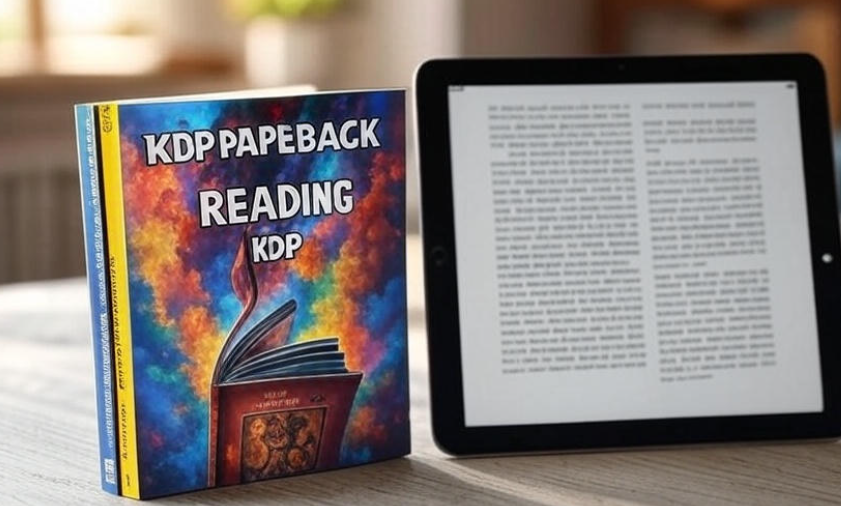

Publishing on Amazon KDP (Kindle Direct Publishing) is one of the easiest ways for writers to share their work with the world. But here’s the tricky part: should you publish as a paperback, an eBook, or both? 🤔
This is a question every new author asks at some point. And the truth is—there isn’t a single “right” answer. Each option has its own advantages, challenges, and audiences. Let’s break it down in simple words so you can figure out what’s best for you.
What is KDP Paperback?
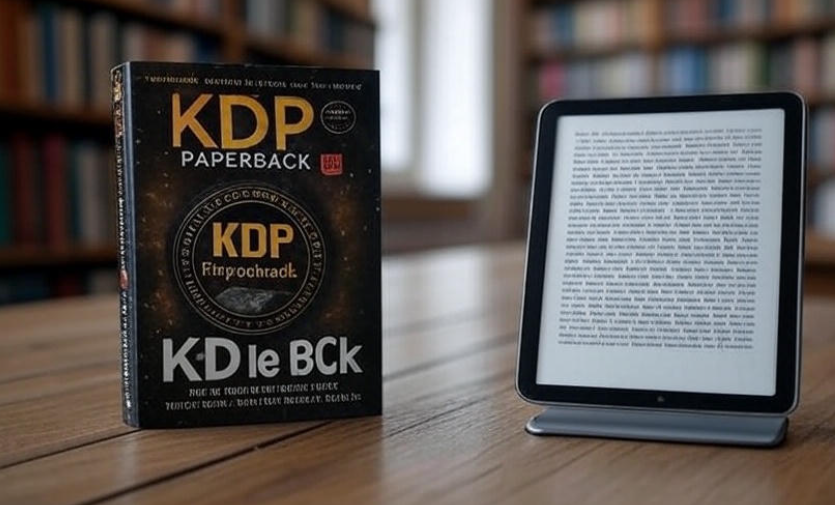
A paperback on Amazon KDP is a physical copy of your book. Readers can order it, and Amazon prints it on demand (no need to keep stock). The best part? You don’t need to worry about printing, storage, or delivery. Amazon handles all that.
People love the feel of holding a real book. The smell of fresh pages, the comfort of flipping through, and the fact that it can be gifted or collected—that’s why paperbacks never go out of style.
What is a KDP eBook?
An eBook is a digital version of your book. Readers can download it instantly on their Kindle device, phone, or tablet. No printing, no waiting—just instant access.
For authors, eBooks are often cheaper and faster to publish. You can price them lower, run promotions, and even earn from Kindle Unlimited (subscription-based reading).
Why Paperback Appeals to Readers
Paperbacks are all about touch, nostalgia, and giftability. Someone might choose your paperback for reasons like:
-
Perfect for people who prefer reading without screens.
-
Great for giving as a present 🎁.
-
Collectors and book lovers still prefer a physical shelf.
-
It looks more “official”—a paperback makes your book feel real.
Why eBooks Appeal to Readers
On the flip side, eBooks are about convenience and affordability. Here’s why readers love them:
-
Instant download (no shipping wait).
-
Often cheaper than paperbacks.
-
Can carry hundreds of books in one device.
-
Adjustable text size, background color, and other reading features.
-
Eco-friendly 🌱 (no paper or ink used).
The Cost Side of Things
Publishing cost is one of the first things new authors compare. Let’s put it in a simple table:
| Feature | Paperback 📖 | eBook 💻 |
|---|---|---|
| Printing Cost | Yes (Amazon deducts from royalties) | No |
| Delivery Cost | Amazon charges buyers shipping | Free download |
| Setup Fees | $0 | $0 |
| Royalties | 60% (minus printing) | 70% (for $2.99–$9.99 price range) |
| Updates/Edits | Harder (needs re-upload & re-approval) | Easier (just upload new file) |
Earning Potential: Which Pays More?
This depends on your audience. For example:
-
If your readers are in the U.S. or Europe, they might prefer paperbacks, meaning more stable sales.
-
If your readers are younger, more digital-friendly, and price-conscious, eBooks might sell better.
Many authors use a mix: sell an affordable eBook to attract attention, and also list a paperback for those who want a physical copy.
Which One is Easier to Market?
Marketing works differently for each format:
-
Paperback: Looks more professional. You can show it in photos, send copies to reviewers, or place in libraries. A physical book is easier to “show off.”
-
eBook: Easier to run promotions. You can drop the price to $0.99 or even run free campaigns to attract new readers. Works great for building an audience fast.
Who Should Choose Paperback?
-
Non-fiction authors (self-help, business, cookbooks).
-
Writers who plan to gift or sell copies at events.
-
Authors who want credibility (a physical book looks serious).
-
Those who target an older audience who may not use Kindle.
Who Should Choose eBook?
-
First-time authors testing the market.
-
Writers on a low budget (since there’s no printing cost).
-
Fiction authors writing series (easy to bundle and promote).
-
Authors targeting global readers—eBooks reach instantly worldwide. 🌍
The Hybrid Approach (Best of Both Worlds)
Here’s the thing: you don’t have to choose just one. Amazon KDP lets you publish both a paperback and an eBook version of the same book.
This is often the smartest strategy. Why? Because you can:
-
Capture both digital and physical readers.
-
Use the eBook for promotions and wide reach.
-
Use the paperback for credibility and higher-priced sales.
Real-Life Example
Imagine you wrote a self-help book.
-
As an eBook, you price it at $3.99, run a few promotions, and quickly get downloads. This builds reviews and boosts visibility.
-
As a paperback, you price it at $12.99. Readers who value physical copies buy it, giving you more profit per sale.
See how both can work hand-in-hand? ✨
Things Authors Often Overlook
-
Cover Design: Paperbacks need a spine and back cover design. eBooks only need a front cover.
-
Formatting: eBook formatting is different (flowing text), while paperback needs fixed formatting (margins, page size).
-
Delivery Time: Paperbacks take longer to get approved compared to eBooks.
-
Pricing Strategy: Don’t price your eBook too high; readers expect lower prices than physical books.
Final Thoughts
If you’re just starting, eBooks can be a low-risk entry point. But if you want to build a strong author brand, paperbacks give your work legitimacy.
Most successful authors don’t limit themselves—they publish both. That way, they reach all kinds of readers and maximize income.
So if you can, go hybrid. But if you must choose only one, ask yourself: Do I want more reach and low cost (eBook), or more credibility and professional appeal (paperback)?
FAQs
Q: Can I publish both eBook and paperback on KDP?
Yes, absolutely! Many authors do this.
Q: Do I need an ISBN for both formats?
KDP provides a free ISBN for paperback. eBooks don’t need one.
Q: Which sells more: eBooks or paperbacks?
It depends on your genre and audience. Fiction often does better as eBooks, while non-fiction can perform better as paperbacks.
Q: Can I earn royalties from both versions at the same time?
Yes! You can earn separately from each format.
Q: Is it harder to format paperback than eBook?
Yes, paperback requires more careful formatting for print. eBooks are simpler since they adjust to screen size.
✅ My suggestion: If you’re new, start with an eBook. Once you get some readers and reviews, release the paperback. This way you build momentum and don’t feel overwhelmed.